Fresh Parsley: Botanical Insights, Culinary Magic & Preservation Tips
Introduction
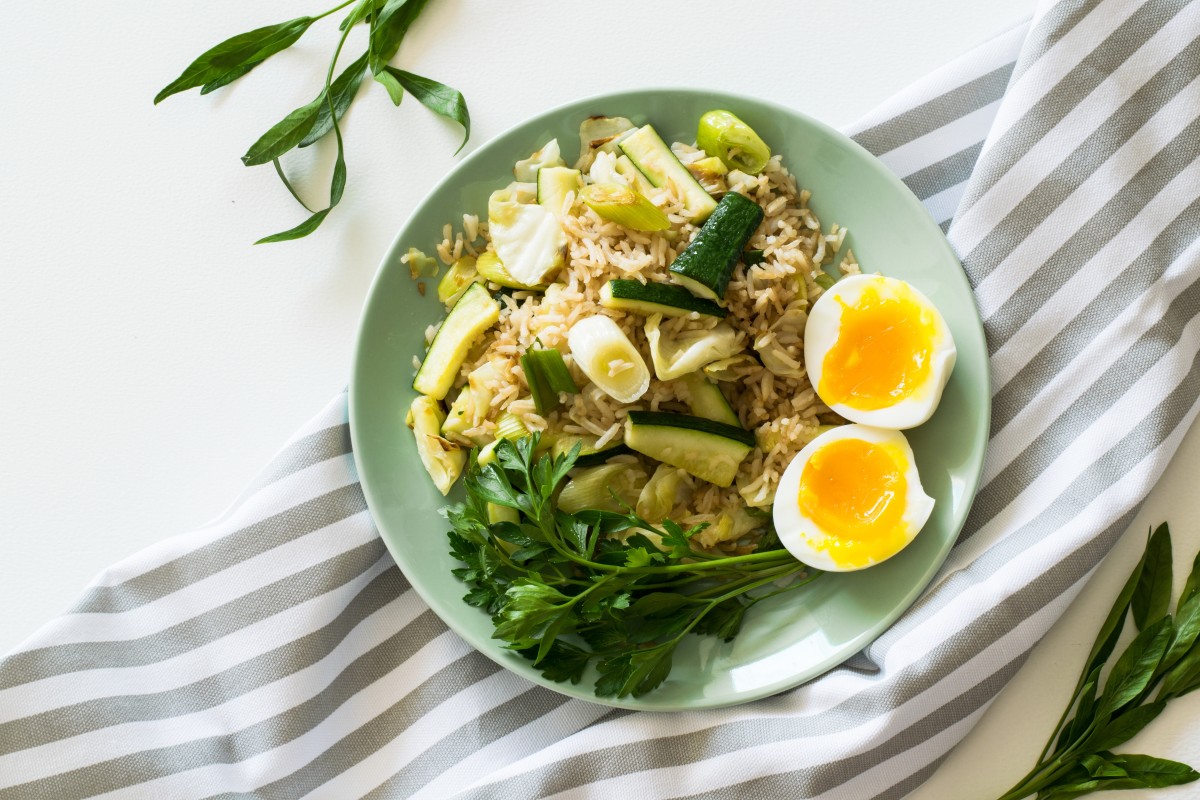
Fresh parsley is more than just a garnish on the edge of the plate. With its clean, slightly peppery flavor and bright green color, parsley is a culinary workhorse that enhances countless dishes around the world. From Mediterranean kitchens to modern fusion cooking, this herb adds both freshness and nutrition.

Botanical & Growing Insights
Parsley (Petroselinum crispum) belongs to the Apiaceae family, making it a relative of carrots and celery. Native to the Mediterranean, parsley thrives in cooler weather compared to many other herbs. Two main varieties are most common: curly-leaf parsley, often used for garnishing, and flat-leaf parsley (Italian parsley), prized for its stronger flavor.
Growing Tips:
- Soil: Well-drained, rich soil with organic matter.
- Sunlight: Prefers full sun but tolerates partial shade.
- Watering: Keep soil evenly moist, especially in hotter climates.
- Harvesting: Snip stems from the outside in, allowing inner shoots to keep growing.
Culinary Uses
Parsley’s versatility makes it a staple in both everyday cooking and gourmet recipes:
- Tabbouleh: A Middle Eastern salad with bulgur, tomatoes, lemon, and parsley.
- Herb Garnish: Adds brightness to soups, stews, roasted meats, and seafood.
- Chimichurri: An Argentine sauce with parsley, garlic, vinegar, and olive oil.
- Stocks & Broths: A key ingredient in bouquet garni for flavor depth.
- Egg & Potato Dishes: Brings freshness to omelets, frittatas, and potato salads.
Storage & Preservation Tips
Parsley stays fresh with a bit of extra care:
- Room Temperature: Keep stems in a glass of water, loosely covered.
- Refrigeration: Wrap in a damp towel inside a plastic bag or container.
- Freezing: Chop and freeze in ice cube trays with olive oil or water.
Drying: Works well, though flavor is more muted compared to fresh.

Expanded Culinary Uses
Parsley shines in more than traditional recipes; it’s a flexible ingredient for creative cooking:
- Green Smoothies: Adds vitamins and a fresh note to fruit blends.
- Pesto Alternative: Swap basil for parsley in classic pesto recipes.
- Compound Butters: Combine butter with garlic and lemon zest for a flavorful addition to grilled meats.
- Salad Booster: Use whole leaves for crunch and brightness in grain bowls and salads.
- Infused Oils: Steep parsley in olive oil for drizzling over roasted vegetables.
Closing
Fresh parsley is one of the most reliable herbs in the kitchen. It is affordable, easy to grow, and endlessly versatile. Whether sprinkled on a hearty stew, blended into sauces, or transformed into a star ingredient like chimichurri, parsley proves that it’s far more than a garnish.
Enjoy!
Chef James