Rosemary
Your meal didn’t start in the kitchen—it started in a field, a garden, or a family recipe book. Let’s get to know the journey.
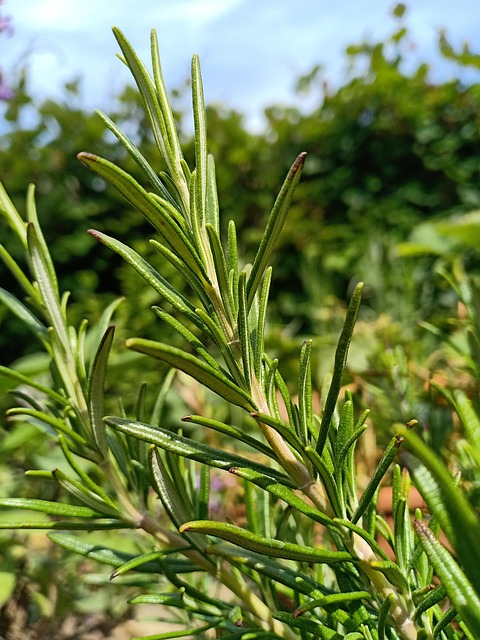
Rosemary is a versatile, fragrant culinary herb native to the Mediterranean region. This popular herb is treasured for its pungent, pine-like flavor that adds a distinct, pine-like note to dishes ranging from grilled fish to beef roasts to wild game.
Botanical & Growing Insights
- Mint family member: Rosemary belongs to the same botanical family as basil, oregano, and thyme.
- Evergreen potential: In hot climates, rosemary can grow into a large evergreen shrub.
- Cold-sensitive: It’s not hardy in colder regions and needs to be brought indoors when temperatures dip below freezing.
- Christmas tree vibes: Its woody stems can be pruned into a conical shape, making it a festive addition to herb gardens or windowsills.
Culinary Uses
- Flavor powerhouse: Known for its pungent, pine-like flavor, rosemary enhances dishes from grilled fish to wild game.
- DIY marinade: A simple mix of Worcestershire sauce, olive oil, garlic, and crushed rosemary makes a stellar steak marinade.
- Stuffed poultry magic: Whole sprigs of rosemary, lemon wedges, and garlic cloves can be used to stuff chicken for a fragrant roast.
Storage & Preservation Tips
- Refrigeration: Fresh sprigs last about a week in the fridge.
- Freezing options: Freeze rosemary alone or in ice cube trays with water or oil.
- Creative preservation: It can be dried or preserved in olive oil or vinegar. You can also make herb butter or seasoned salt with finely chopped leaves.
Rosemary is a culinary gem with a wide range of uses that go far beyond just seasoning meats. Here are more creative and delicious ways to incorporate it into your cooking.
Expanded Culinary Uses for Rosemary
- Soups & Stews: Finely chopped rosemary leaves add depth and aroma to hearty soups and stews. It is paired exceptionally well with beans, lentils, and root vegetables.
- Salad Dressings: Infuse olive oil with rosemary or mix chopped leaves directly into vinaigrettes for a fragrant twist.
- Herb Butter: Blend finely chopped rosemary with softened butter, garlic, and a pinch of salt. Perfect for spreading warm bread or melting over grilled vegetables.
- Seasoned Salt: Mix rosemary with sea salt and other herbs to create a custom seasoning blend for meats, potatoes, or popcorn.
- Infused Oils & Vinegars: Preserve rosemary sprigs in olive oil or vinegar to create flavorful infusions for cooking or salad dressings.
- Freezing for Later: Freeze rosemary in ice cube trays with water or oil—ideal for tossing into soups or sautés straight from the freezer.
The more you know your food, the more it knows you back. Here’s to deeper flavors and stronger connections—one bite at a time.
Enjoy!
Chef James